LEMUEL LAROCHE:
If we begin to look at things as we are all small pieces of the big puzzle, then that helps to make the picture a lot more clearer.
The great WEB Du Bois said that the problem with the 20th century is going to be the problem with the color line. And it's sad that, in the 21st century, we still find ways to erase that color line or find a way to turn that line into a circle, where we can include everyone.
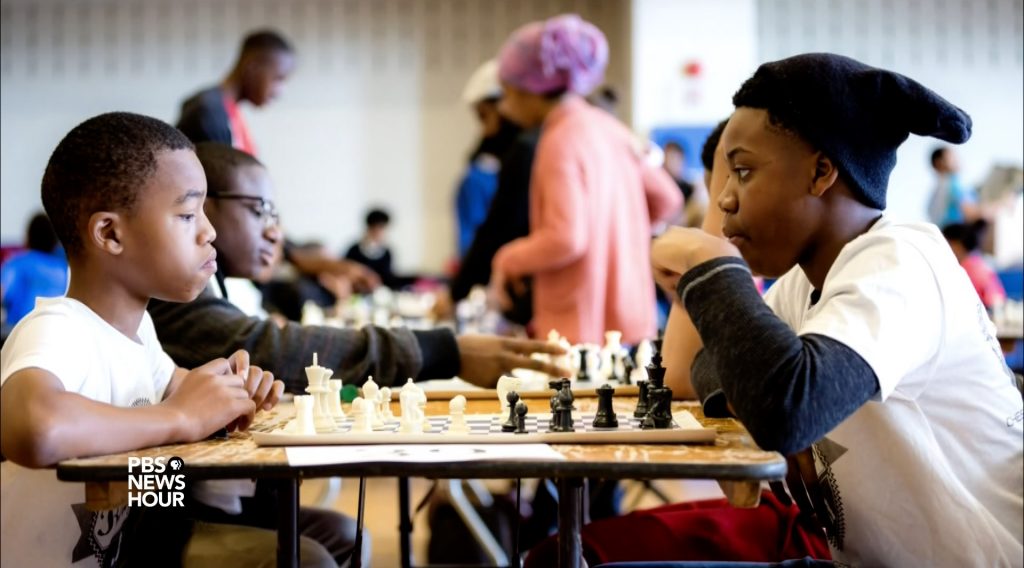
I'm optimistic because I see how we engage the youth on the ground. I see what happens when we engage little white boys, little white girls, and, you know, Asian and Hispanic. We bring the kids together.
I see that type of engagement that they have. I see the genuineness in it. And I'm in a position that, when I see parents, the parents, the parroting of the parents, when the kids are repeating what they hear from the parents. Then it's an opportunity for me to redirect that concept, redirect that thought.
So, by engaging the youth on the ground, having them engage, talk to each other, having them play with each — socialize with each other, I believe that that is the one way that we can erase it.
And it's about allowing those who have been programmed to see you a certain way, or how we have been programmed to see other people certain ways, that we really begin to have that genuine dialogue, that genuine interaction.
And I try to do that through my work. But I am very optimistic that it can happen. It's tough, but it can happen.
ncG1vNJzZmivp6x7sa7SZ6arn1%2Bjsri%2Fx6isq2ejnby4e9KipKmklWK0ornEZpqhnaOoeqStzWaZq52RoHq0wMSrnKisqaWytA%3D%3D